Knee pain is one of the most frequent musculoskeletal complaints affecting people of all ages. Whether you are an athlete, an office worker, or someone who enjoys regular walks, knee discomfort can significantly affect your mobility and quality of life. The knee is a complex joint that supports body weight while allowing movement such as walking, running, bending, and climbing stairs. When pain develops, even simple daily activities can become challenging. At Denovo Physio & Rehab, we regularly help people in Preston recover from knee pain through tailored physiotherapy treatments that address both the symptoms and the root cause.
Why Does Knee Pain Occur?
The knee joint is made up of bones, cartilage, ligaments, tendons, and muscles. Because it absorbs so much force, it is particularly vulnerable to injury and wear. Knee pain can develop suddenly due to trauma or gradually over time due to strain or degeneration.
Understanding the cause of knee pain is the first step towards effective treatment.
Common Causes of Knee Pain
1. Ligament Injuries
Ligaments stabilise the knee. Sudden twisting movements, sports collisions, or falls can damage these structures. Injuries such as ACL (anterior cruciate ligament) tears are common in sports that involve rapid direction changes. Symptoms include swelling, instability, and difficulty bearing weight.
2. Meniscus Tears
The meniscus is cartilage that cushions the knee. It can tear during sudden twists or from gradual wear and tear with age. People often report clicking, locking, or catching sensations in the joint.
3. Tendonitis
Tendonitis occurs when the tendons around the knee become inflamed due to overuse. Patellar tendonitis, often called “jumper’s knee”, affects athletes but can also develop from repetitive activities like stair climbing.
4. Osteoarthritis
This is one of the most common causes of knee pain, particularly in adults over 50. Osteoarthritis occurs when cartilage wears down, leading to stiffness, swelling, and pain that worsens with activity.
5. Patellofemoral Pain Syndrome
Often described as pain at the front of the knee, this condition is common in runners and cyclists. It is usually caused by muscle imbalance, poor movement patterns, or overuse.
6. Bursitis
Bursae are fluid-filled sacs that reduce friction. When irritated, they cause swelling and tenderness, often due to prolonged kneeling or repetitive stress.
7. Muscle Weakness or Imbalance
Weak hip, thigh, or calf muscles can place extra strain on the knee joint, leading to ongoing discomfort.
How Physiotherapy Helps Knee Pain
Physiotherapy is one of the most effective non-surgical treatments for knee pain. At Denovo Physio & Rehab, treatment focuses on reducing pain, improving movement, and restoring strength so you can return to normal activities safely.
1. Detailed Assessment
Your physiotherapist begins with a thorough assessment to identify the exact cause of your pain. This includes analysing movement patterns, joint mobility, muscle strength, and posture.
2. Pain Relief Techniques
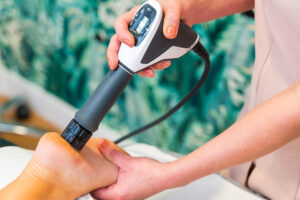
Hands-on therapy, soft tissue massage, and joint mobilisation help reduce stiffness and improve circulation. Techniques such as ultrasound therapy or shockwave therapy may also be used where appropriate.
3. Strengthening Exercises
Weak muscles often contribute to knee pain. Targeted exercises strengthen the quadriceps, hamstrings, glutes, and calves to support the knee joint and reduce strain.
4. Flexibility and Mobility Work
Tight muscles can alter knee alignment. Stretching and mobility exercises improve flexibility and reduce tension around the joint.
5. Movement Retraining
Poor walking, running, or squatting techniques can worsen knee pain. Physiotherapists correct movement patterns to prevent recurrence.
6. Balance and Stability Training
Improving balance helps protect the knee from further injury, especially after ligament damage.
7. Education and Lifestyle Advice
Patients receive guidance on activity modification, footwear, and posture to protect the knee during daily activities.
When Should You Seek Physiotherapy?
You should seek help if:
- Knee pain lasts more than a few days
- Swelling or instability is present
- Pain interferes with walking or stairs
- The knee feels weak or locks
- You have recurring discomfort during activity
Early physiotherapy can prevent minor issues from becoming chronic problems.
Benefits of Physiotherapy for Knee Pain
- Reduces pain and inflammation
- Improves joint mobility
- Strengthens supporting muscles
- Prevents future injuries
- Helps avoid unnecessary surgery
- Speeds up recovery
Most patients notice gradual improvement within a few sessions when following their exercise plan consistently.
Take the First Step Towards Recovery
Knee pain should not be ignored, especially when it begins affecting your lifestyle. With professional assessment and a structured rehabilitation plan, most knee problems can be managed effectively without surgery.
If you are experiencing knee discomfort, the team at Denovo Physio & Rehab in Preston can help you regain strength, confidence, and mobility. Early treatment leads to better outcomes, so addressing the problem now can prevent long-term complications.
FAQ Section (SEO-Friendly)
What is the most common cause of knee pain?
The most common causes include ligament injuries, meniscus tears, tendonitis, arthritis, and muscle imbalances. A physiotherapy assessment helps identify the exact reason for your pain.
Can physiotherapy cure knee pain without surgery?
Yes, many knee conditions improve with physiotherapy alone. Strengthening exercises, manual therapy, and movement correction reduce pain and restore function without surgical intervention.
How long does knee pain take to recover with physiotherapy?
Recovery time varies depending on the condition. Mild issues may improve in a few weeks, while more complex injuries may take several months. Consistency with exercises speeds up recovery.
Is it safe to exercise with knee pain?
Yes, but exercises must be appropriate for your condition. A physiotherapist at Denovo Physio & Rehab prescribes safe movements that strengthen the knee without causing further strain.
Can knee pain come from weak muscles?
Absolutely. Weak hips, thighs, or calves can place extra pressure on the knee joint, leading to pain. Strength training is a key part of treatment.
When should I see a physiotherapist for knee pain?
Seek professional help if pain persists, swelling occurs, the knee feels unstable, or daily activities like walking or stairs become difficult.
Does physiotherapy help knee arthritis?
Yes. Physiotherapy reduces stiffness, strengthens muscles, improves joint mobility, and helps manage pain associated with osteoarthritis.